
The Best Time of Year to Build a Deck on Cape Cod
· By Daniel Ferreira
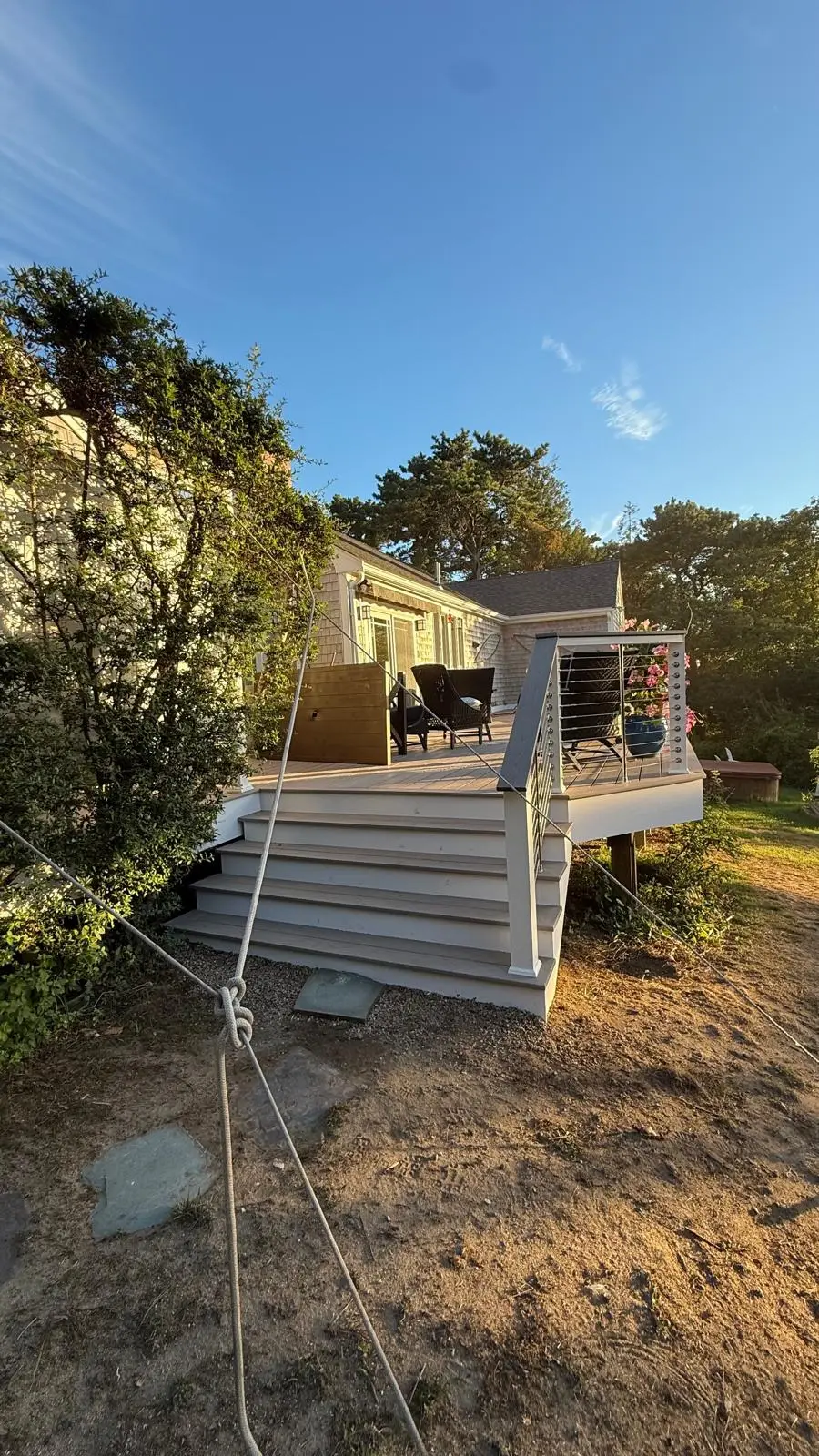
On Cape Cod, a deck is a summer thing. Almost everyone wants theirs ready by Memorial Day, and that is exactly why timing matters so much. Builders book up, permit offices get busy, and homeowners who start planning in April often end up waiting until July.
The good news is that decks can be built for most of the year here. What changes from season to season is how easy it is to get on the schedule, how fast permits move, and what the weather means for footings and materials. This guide walks through each season so you can pick the window that fits your plans.
Late fall and winter: the best time to plan
If you want a deck ready for summer, the best time to start is between October and February. That is when you can get estimates without a long wait, compare designs, choose materials, and get the permit application in while building departments are quieter.
Planning in the off season also gives you time to think through details that are easy to rush in spring: where the stairs land, how the deck connects to the patio or yard, whether you want an outdoor shower or pergola later, and which railing style suits your home.
Can you actually build in winter?
Often, yes. Framing and decking can go on in cold weather, and composite boards install fine in most winter conditions as long as the installer allows for the expansion and contraction the manufacturer specifies. The real challenge is the footings.
Digging below the frost line and pouring concrete is harder when the ground is frozen or soaked. Mild stretches between storms are common on the Cape, and a builder can dig and pour footings during those windows. Heavy snow, deep frost, and nor'easters can push the schedule, so winter builds need some flexibility.
Spring: the busiest season
Spring is when most people decide they want a deck, so it is the most competitive time of year. Calendars fill quickly, and anyone who has not signed and permitted by early spring may not be finished by the start of summer.
Weather in March and April can also be wet and raw on the Cape, with soggy ground that slows footing work. By May conditions improve, but demand is at its peak. If spring is your only option, reach out as early as you can and be ready to make decisions quickly.
Summer: good weather, tight schedules
Long dry days make summer great for building, and materials are easy to work with. The downside is availability, plus the reality of building while you are trying to use your yard. On rental properties, construction during booked weeks is usually not an option at all.
Summer can also be a smart time to sign for a fall build. You see the space in use, notice where the sun and shade fall, and lock in a spot on the schedule for after Labor Day.
Early fall: the sweet spot for building
September and October are often the most comfortable months to build on Cape Cod. The ground is dry, temperatures are mild, the summer crowds are gone, and seasonal homes and rentals are free. Many homeowners also like having the deck finished and ready the moment spring arrives.
A fall build also means any small settling or adjustment happens over the winter, and the deck is ready to use from the first warm weekend.
Rentals and second homes need their own plan
Many homes on the Cape are rented in summer or used as seasonal homes, and that changes the math. If your property is booked from June through August, construction has to happen before the first guests arrive or after the last ones leave. Missing that window by even two weeks can mean canceling a booking or living with a torn up yard all season.
For owners who live off Cape, fall and winter builds are often easier anyway. The builder can work without disturbing anyone, and you can review progress through photos and updates instead of being on site. Clear communication matters most here, so ask how and how often you will hear about progress, inspections, and any surprises found during demolition.
Materials, lead times, and weather days
Material availability can affect timing too. Popular composite colors, specific railing systems, and custom items like black aluminum balusters or cable railing kits sometimes take longer to arrive in peak season. Choosing materials early gives your builder time to order them before the spring rush.
Every Cape Cod build should also allow for weather days. Wind, rain, and coastal storms happen in every season, and a good schedule has some cushion built in so a stormy week does not push your deck past the date you care about.
A simple timeline for a summer-ready deck
Here is a rough timeline that works for many projects. In October through December, get your free estimate and settle on a design and materials. In January and February, submit the permit and any conservation or historic review if needed. From March through May, build as weather allows. Larger decks, decks near wetlands, or projects that need extra review may need more lead time.
DFA Carpentry handles the permit process personally, which keeps paperwork moving while you focus on choosing finishes. The earlier the conversation starts, the more control you have over when the deck is done.
Frequently asked questions
- How long does it take to build a deck?
- Once permits are in hand, many standard decks are built in about one to three weeks of work. Larger, elevated, or multi level decks take longer, and weather and inspections can add days.
- Can footings be poured in winter?
- Yes, during mild stretches when the ground is workable. Builders avoid pouring on frozen ground and protect fresh concrete from freezing, so winter footings depend on the weather.
- When should I call to have a deck ready by Memorial Day?
- Ideally between October and January. That leaves time for the estimate, design, permit, and construction without rushing.
- Is it cheaper to build a deck in the off season?
- Prices depend mostly on materials and labor, but the off season usually brings easier scheduling and more time to plan, which helps avoid costly last minute changes.
Related services
Serving
Ready for an exact price?
Get a free, no-pressure in-home estimate. Real numbers for your home, not a phone guess.