
Building a Deck in Plymouth, MA: Big Lots, Ponds and Year-Round Living
· By Daniel Ferreira
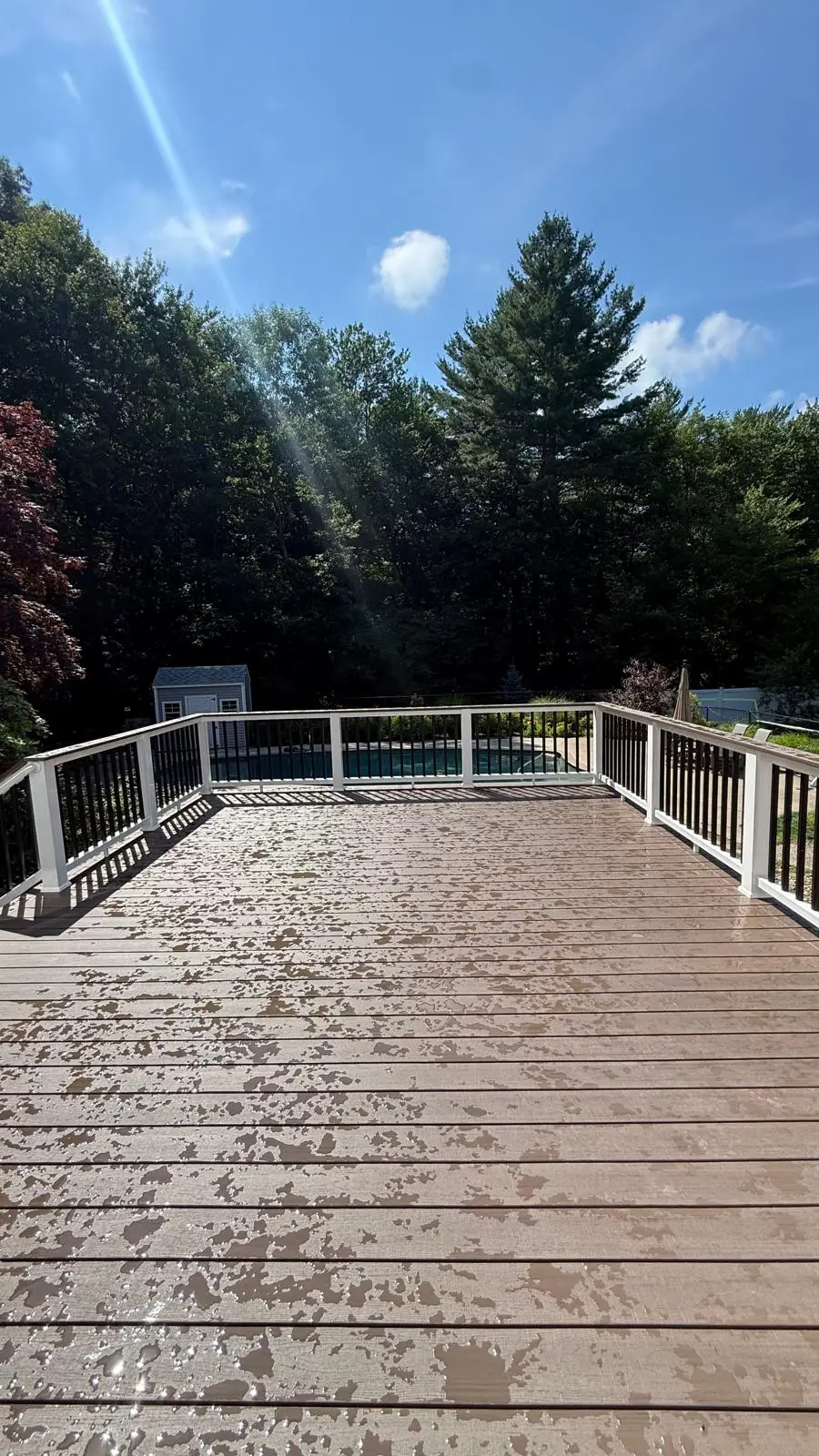
Plymouth is known as America's Hometown, and it is also the largest town in Massachusetts by land area. Within its borders are the historic downtown and waterfront, North Plymouth and West Plymouth, the coastal villages of Manomet and White Horse Beach, Cedarville near the Sagamore Bridge, the planned community of The Pinehills and hundreds of ponds tucked into the woods. Most homes here are lived in all year, and many sit on larger lots than you find on the Cape.
That opens up more possibilities for decks, but it also means more variety in what each property needs. This guide walks through how location in Plymouth affects a deck project, which designs make the most of bigger lots and year-round living, and what to expect from permits and timing.
Coastal Plymouth: Manomet, White Horse Beach and downtown
Homes along the coast, from downtown and Plymouth Beach down through Manomet, White Horse Beach and toward Cedarville, are exposed to wind and salt off Cape Cod Bay. Many are on bluffs or small lots near the water, and many have views worth keeping.
For these homes, the same rules apply as on the Cape: composite or capped decking, vinyl railing or cable railing to protect the view, and hardware rated for coastal exposure. Elevated decks and second-story decks are common to take advantage of the ocean, and they need solid posts and footings to handle wind and the weight they carry. Properties near coastal banks or beaches often need an environmental review before a permit is issued.
Pond lots and wooded neighborhoods
Plymouth has a remarkable number of ponds, and many neighborhoods in South Plymouth, West Plymouth and around areas like Long Pond are built on wooded lots near the water. These yards are often sloped, shaded and covered in pine needles.
Shade and moisture are the main concerns. Composite decking resists rot and mildew better than untreated wood, and correct board spacing lets water and debris fall through. Cable railing keeps the view of the pond open. Near ponds and wetlands, Massachusetts environmental protections usually apply, which can mean setbacks from the water and an extra review step. We look at these limits before designing so the plan works the first time.
Bigger lots, bigger decks: designing for year-round living
Because so many Plymouth homes are year-round residences on larger lots, homeowners often want more than a small platform. A large composite deck with white railing that spans the back of the house, with separate areas for dining, grilling and lounging, is a popular choice. Wide stairs down to the yard connect the deck to a lawn, a patio or a fire pit area.
Multi-level decks work well on sloped lots, stepping down with the grade instead of standing on tall posts. A pergola over the dining area adds shade on summer afternoons. Because these are bigger structures, framing and footings need careful planning to meet the Massachusetts State Building Code.
Screened porches and covered decks for New England weather
Plymouth homeowners use their outdoor space from spring through fall, and a covered or screened porch stretches that season. A roof keeps off rain and strong sun, and screens keep out mosquitoes and other insects that come with ponds and woods.
A screened porch combines decking, framing and roofing, so it is one of the larger projects a homeowner can take on. DFA Carpentry handles carpentry, framing and roofing, which keeps the whole project under one contractor. Covered porches also protect the deck surface from snow, which reduces wear over winter.
The Pinehills and other planned communities
The Pinehills and other planned neighborhoods in Plymouth often have design guidelines and an approval process for exterior changes. These may cover deck size, materials, colors and railing style. If you live in one of these communities, plan on submitting your project to the association before the town permit.
Clear drawings and material samples make approval easier. Once the association signs off, the town building permit and inspections follow the usual process.
Permits, timing and getting an estimate
In general, Plymouth requires a building permit, plans and inspections for new decks, rebuilds and covered porches. Properties near the coast, ponds or wetlands may also need an environmental review. Owner Daniel Ferreira personally handles every license and permit. He holds an unrestricted Massachusetts Construction Supervisor License, a registered Home Improvement Contractor number and OSHA certification, and he has 5 years of hands-on construction experience in Massachusetts.
Plymouth is a short drive over the Sagamore Bridge from our base in Hyannis, and it is one of the towns we serve regularly. Plan in the fall or winter for a deck finished by early summer. As a loose market guide, composite decks in the region often fall somewhere around $50 to $100 per square foot installed, with screened porches costing more. A free on-site estimate gives you an accurate price.
Frequently asked questions
- Does DFA Carpentry build decks in Plymouth, MA?
- Yes. Plymouth is one of the main towns we serve, along with Cape Cod communities from Sandwich to Dennis.
- Do I need a permit to build a deck in Plymouth?
- Generally yes. New decks and covered porches usually need a building permit and inspections, and properties near water may need an environmental review. We handle the permit process.
- What deck works best on a pond lot?
- Composite decking with cable or vinyl railing is a strong choice because it handles shade and moisture well, and cable railing keeps the view open. Setbacks from the water may affect placement.
- Can you build a screened porch in Plymouth?
- Yes. Screened and covered porches involve decking, framing and roofing, and DFA Carpentry handles all of it.
- Do I need association approval in The Pinehills?
- Most planned communities have design guidelines and an approval process. Check with your association before applying for the town permit. We can provide drawings for the application.
- Is a multi-level deck a good idea on a sloped Plymouth lot?
- Often yes. A multi-level deck follows the slope of the yard instead of sitting on very tall posts, which usually looks better and creates separate areas for dining and relaxing. The framing and footings need careful planning, and we design them to the Massachusetts State Building Code.
Related services
Serving
Ready for an exact price?
Get a free, no-pressure in-home estimate. Real numbers for your home, not a phone guess.