
Vinyl vs Cedar Shingle Siding on Cape Cod Homes: Cost, Upkeep, and Style
· By Daniel Ferreira
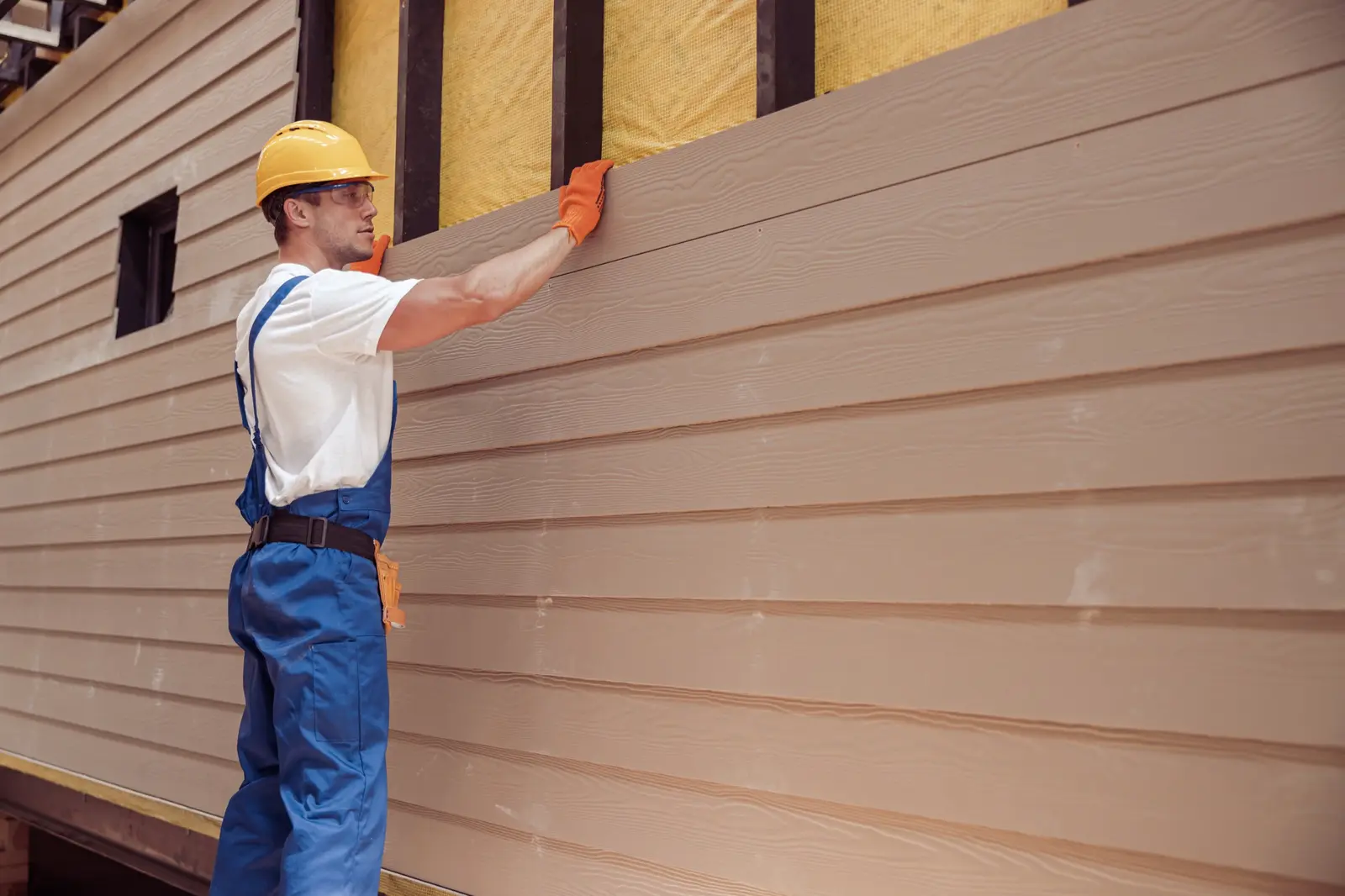
Drive through any Cape Cod village and you will see the same thing over and over: weathered cedar shingles, often gray, sometimes painted, on homes that look like they belong to the landscape. Look closer and you will also see plenty of vinyl siding, including vinyl that imitates the shingle look. Both are everywhere here, and both have strong fans.
Choosing between them comes down to look, maintenance, durability in salt air, cost, and in some neighborhoods, what your town allows. This guide compares cedar shingles and vinyl siding on each of those points, and touches on fiber cement as a third option many homeowners consider.
Why cedar shingles define the Cape look
Cedar shingles have been used on Cape Cod homes for generations. White cedar weathers naturally to the soft silver gray that people picture when they think of the Cape, and red cedar can be stained or painted. Shingles give a home texture, depth, and a sense of history that is hard to copy.
Cedar is naturally resistant to rot and insects, and a well installed shingle wall can last for decades. Individual shingles can be replaced when one cracks or blows off, which makes repairs straightforward.
The trade-offs of cedar
Cedar costs more to buy and more to install than vinyl, because shingles go on one by one by hand. Natural weathering is part of the charm, but it is not always even: walls that get more sun, rain, or salt spray age differently, and shaded sides can grow mildew. Painted or stained shingles need recoating every several years.
Cedar also needs to breathe. Good installation practices, such as proper housewrap, flashing at windows and doors, and in some cases a rain screen gap behind the shingles, help them dry out and last longer in a damp coastal climate.
Why so many homeowners choose vinyl
Vinyl siding is the budget friendly, low maintenance choice. It does not need painting, it resists moisture, and it cleans up with a hose and a soft brush. Modern vinyl comes in many colors, profiles, and textures, including clapboard, board and batten, and shake or shingle styles that mimic cedar from a distance.
For homeowners who want a fresh exterior without ongoing upkeep, especially on rental properties or second homes, vinyl makes a lot of sense. Installation is also faster than cedar, which shortens the time crews are on site.
The trade-offs of vinyl
Vinyl can crack in very cold weather if hit, and lower grade products can fade or warp over time, especially on walls with strong sun. Strong coastal wind can also loosen panels that were not installed to the manufacturer's specifications. Thicker, higher quality vinyl and careful installation make a big difference here.
Up close, vinyl does not look like real cedar, and on a historic house it can change the character of the home. Some buyers also see real cedar as a premium feature on Cape Cod.
Installation quality is what separates vinyl that lasts from vinyl that rattles. Panels need room to expand and contract with temperature, nails should not be driven tight, and corners, windows, and doors need proper trim and flashing so water stays out of the wall behind the siding.
Fiber cement: the middle option
Fiber cement siding and shingles are another common choice. They resist rot, insects, and fire, hold paint well, and can closely imitate the look of wood. Fiber cement is heavier and takes more labor to install than vinyl, so it typically costs more, but often less than real cedar when you factor in long term maintenance.
Typical cost ranges
As a general market guide, vinyl siding installed often lands somewhere in the range of roughly $6 to $12 per square foot of wall in Massachusetts, depending on the product and the house. Cedar shingles commonly cost more, often somewhere around $10 to $20 per square foot or higher with premium shingles, paint, or detailed trim. Fiber cement usually sits between the two.
Removal of old siding, repairing rotted sheathing, new trim, the number of windows and doors, and the height of the house all affect the final price. A free on-site estimate gives you real numbers for your home.
Historic districts and town rules
If your home sits inside a historic district, exterior material changes visible from the street may need approval. Parts of Barnstable, Yarmouth, Dennis, and Sandwich along Route 6A fall within the Old King's Highway Regional Historic District, where traditional materials like wood shingles are often expected. Check with your town before choosing a material, because approval can affect both the product and the timeline.
How to decide
Choose cedar shingles if authentic Cape style matters most to you, you are in a historic area, or you plan to keep the home for a long time and accept some upkeep. Choose vinyl if your priorities are budget, low maintenance, and fast installation. Consider fiber cement if you want a wood look with lower maintenance and do not mind the higher install cost.
DFA Carpentry offers siding as part of its exterior work across Cape Cod, and can walk your home with you, check the condition of the walls underneath, and price the options side by side.
Frequently asked questions
- How long do cedar shingles last on Cape Cod?
- Well installed cedar shingles can last decades. Lifespan depends on exposure, installation, ventilation, and maintenance, with walls facing heavy weather wearing faster.
- Does vinyl siding hold up to salt air?
- Vinyl itself does not rust or rot, so salt air is not a big problem. Wind, cold weather impacts, and sun exposure are more important factors, which is why product quality and installation matter.
- Can I mix cedar shingles and vinyl on the same house?
- Some homes use shingles on the front and a lower cost material on less visible sides or additions. It can work if the transitions and trim are handled carefully.
- Do I need a permit to replace siding in Massachusetts?
- Many towns require a permit for re-siding, and historic districts may need extra approval. Check with your local building department.
Related services
Ready for an exact price?
Get a free, no-pressure in-home estimate. Real numbers for your home, not a phone guess.